Welcome To Hoi An: The Living Maritime Museum
Resting along the serene banks of the Thu Bon River in Central Vietnam, Hoi An Ancient Town is universally cherished as one of Southeast Asia’s most enchanting cultural destinations. Once a flourishing international trading port between the 15th and 19th centuries, Hoi An has exceptionally preserved its historic streetscape—where golden ochre merchant houses, intricate Japanese bridges, and ornate Chinese assembly halls merge harmoniously under a canopy of vibrant silk lanterns.
Key Architectural Highlights & World Heritage Sites
1. The Ancient Town & Architectural Fusion (UNESCO Inscribed 1999)
Officially inscribed as a UNESCO World Heritage Site in 1999, Hoi An represents an exceptionally well-preserved example of a traditional Asian trading port. The walking streets (pedestrianized daily from motor vehicles) feature wooden timber-frame shophouses, French louvered-window terraces, and historic Chinese clan halls such as the Fujian and Cantonese Assembly Halls. The entrance ticket (120,000 VND for international visitors) grants admission to five preserved heritage landmarks, including ancient merchant residences like Tan Ky and Phung Hung houses.
2. The Iconic Japanese Covered Bridge (Chua Cau)
Constructed in the late 16th century by Hoi An’s Japanese trading guild to span a canal linked to the Chinese quarters, the Japanese Covered Bridge is the town’s undisputed emblem. Featuring arched timber roofing and an integrated Taoist shrine honoring the weather deity Bac De Tran Vu, the bridge showcases centuries of mutual cultural respect and maritime heritage.
3. Tra Que Vegetable Village & Coastal Escapes
Just a picturesque bicycle ride through verdant rice paddies north of the ancient center, Tra Que Vegetable Village has practiced organic herb farming for over 300 years using natural algae fertilizer gathered from the local lagoon. Beyond the countryside, travelers can unwind along the white sands of An Bang Beach, dotted with laid-back beachside bistros and gentle surf breaks.
Culinary Heritage: Hoi An’s Secret Flavors
Owing to its rich maritime trade roots, Hoi An cuisine blends indigenous Vietnamese tastes with Chinese, Japanese, and French influences:
- Cao Lau: Hoi An’s quintessential dish composed of firm, chewy wheat noodles steeped in ash water from Cham Island wood, tossed with char siu pork slices, crispy pork crackling, aromatic local mints, and a concentrated meat reduction.
- Banh Mi Hoi An: Globally celebrated by culinary legends, local bakeries like Banh Mi Phuong and Madam Khanh (The Banh Mi Queen) elevate the Vietnamese baguette with rich liver pate, smoky roasted meats, cucumber strips, and secret chili sauces.
- White Rose Dumplings (Banh Bao Banh Vac): Translucent rice dough dumplings filled with spiced minced pork or river shrimp, folded into flower petals and crowned with crispy shallots and sweet fish sauce.
- Mi Quang: Turmeric rice noodles served with savory pork, fresh river prawns, quail eggs, and toasted sesame rice crackers in a concentrated savory broth.
Artisanal Heritage: Custom Tailoring & Silk Lanterns
Hoi An has flourished as Vietnam’s premier capital of bespoke tailoring. Within the ancient quarter, skilled family workshops craft made-to-measure linen suits, wool blazers, evening silk dresses, and handmade leather footwear within 24 to 48 hours. At twilight, cross the river to An Hoi Islet where the night market glows under thousands of traditional hand-stretched bamboo and silk lanterns, which visitors can purchase or craft in hands-on community workshops.
Where to Stay in Hoi An
- Heritage Boutique Stays (Ancient Town / Cam Pho): Restored Indochinese villas within walking distance of lantern-lit canals and morning market stalls.
- Riverside Eco-Resorts (Cam Chau & Cam Thanh): Nestled among lush water coconut groves and tranquil waterways, perfect for travelers seeking serenity, cooking classes, and complimentary bicycles.
- Beachfront Luxury (An Bang & Cua Dai): Five-star seaside resorts and boutique villas offering private pools and ocean views, located just a 10-minute taxi ride from the historic center.
Getting There & Regional Transit
Hoi An has no commercial airport or railway terminal. International travelers arrive via Da Nang International Airport (DAD) or Da Nang Railway Station, located approximately 30 kilometers (45 minutes) to the north.
Connecting Heritage Routes:
- From Da Nang: Direct private car, airport shuttle, or taxi ($12–$18 USD) along the coastal highway.
- To My Son Sanctuary: Located 45 km inland (approx. 1 hour drive), an extraordinary complex of Hindu temple ruins constructed by the Champa civilization between the 4th and 14th centuries.
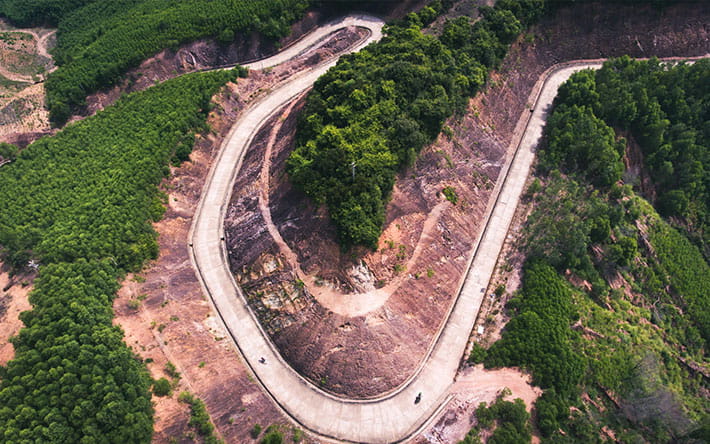
- From Hue: Approx. 3 hours north via private limousine or scenic coastal train crossing the magnificent Hai Van Pass.