Woven deeply into the fabric of Vietnamese history is an extraordinary network of artisanal craft hamlets known as Lang Nghe. For centuries, entire communities along river deltas and highland plateaus have preserved hereditary guild secrets—transforming river clay, silkworm cocoons, wild hemp, bamboo, and molten bronze into masterworks of living art. For culture-seeking travelers, visiting these heritage enclaves offers an intimate communion with centuries of craftsmanship. Here are seven of Vietnam’s most iconic and historic craft villages.
Craft Village Etiquette: Many traditional workshops are multi-generational family homes. Travelers are warmly welcomed to observe artisans, participate in hands-on workshops, and purchase directly from creators. Photography is widely welcomed, but asking permission before photographing elders at work is customary and appreciated.
1. Bat Trang Ceramic Village (700-Year Pottery Legacy)
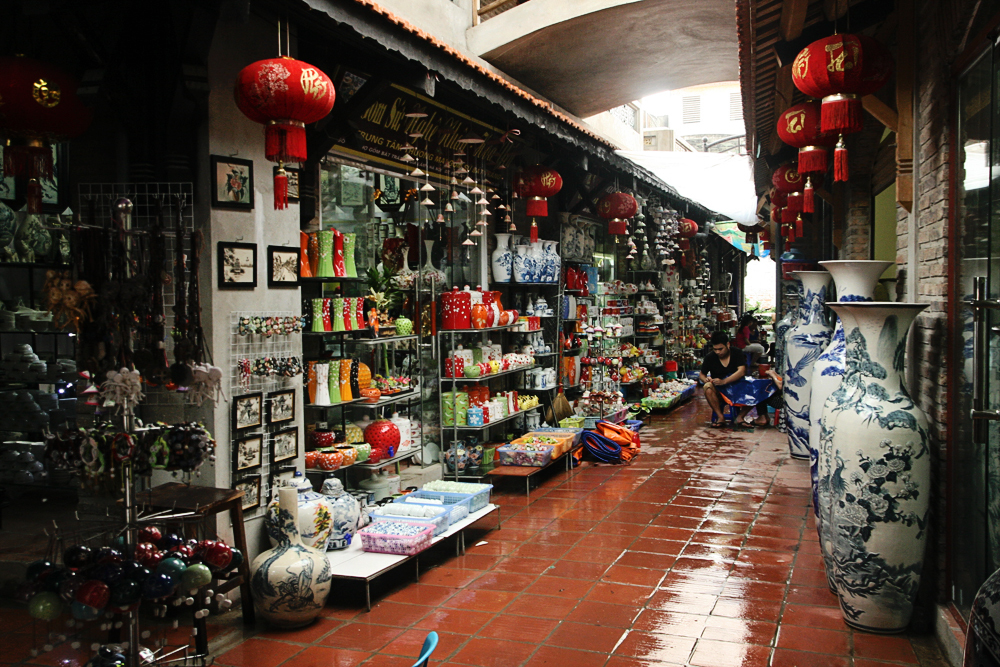
Dating back to the 14th-century Ly and Tran dynasties along the Red River, Bat Trang is Vietnam’s most celebrated ceramic cradle. Located just 13 kilometers downstream from Hanoi, the village’s skilled artisans supply exquisite blue-and-white porcelain, crackle-glazed urns, and sacred altar vessels worldwide. Travelers can wander historic narrow brick pathways lined with drying ceramics, visit the architectural Bat Trang Ceramic Museum, or sit at an authentic potter’s wheel to shape and paint their own earthenware.
Location: Gia Lam District, Hanoi (approx. 30 minutes from Old Quarter)
Artisan Specialties: Crackle-glazed ceramics, hand-painted porcelain & interactive wheel throwing
2. Quang Phu Cau Incense Village (Crimson Botanical Bouquets)
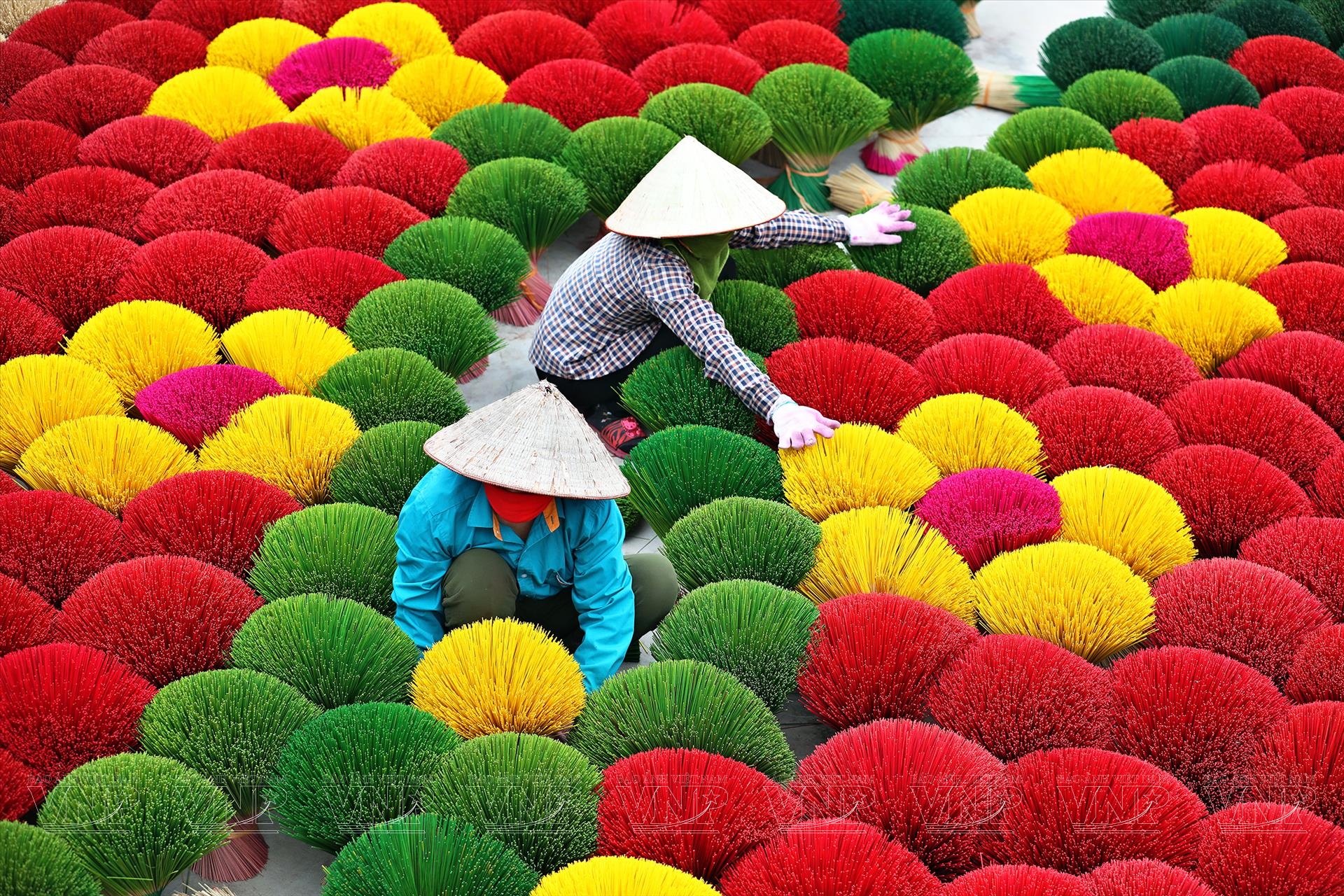
Renowned as one of Vietnam’s most visually stunning cultural sights, Quang Phu Cau has produced sacred aromatic incense for over a century. Communal village courtyards and riverbanks burst into vibrant crimson, magenta, and golden hues as thousands of thin bamboo incense bundles are splayed in symmetrical blooming fans to dry under the tropical sun. Hand-blended using natural botanical powders like agarwood, cinnamon, and star anise, the incense is distributed across the nation for temple rituals and Lunar New Year ancestral veneration.
Location: Ung Hoa District, Hanoi (approx. 35 km south of the capital)
Artisan Specialties: Botanical incense, bamboo stick dyeing & iconic cultural photography
3. Van Phuc Silk Village (Millennium-Old Weaving Cradle)
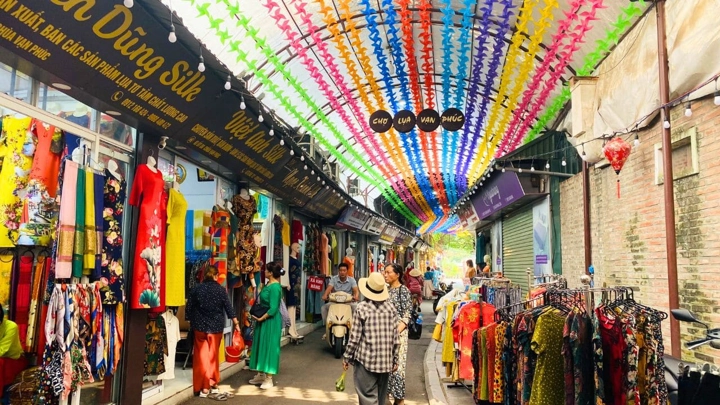
With a textile heritage spanning over 1,200 years, Van Phuc (Ha Dong) is celebrated as the historic cradle of Vietnamese sericulture. Historically chosen to tailor royal garments for Nguyen Dynasty emperors and first exhibited internationally in Marseille and Paris during colonial times, Van Phuc silk (Lua Van) is renowned for being breathable in summer yet insulating in winter. Visitors can listen to the rhythmic click-clack of traditional jacquard wooden looms and browse boutiques showcasing tailored ao dai, shawls, and mulberry-dyed fabrics.
Location: Ha Dong District, Hanoi (approx. 10 km southwest of downtown)
Artisan Specialties: Cloud-pattern silk (Lua Van), hand-dyed scarves & bespoke tailoring
4. Lung Tam Linen & Hemp Village (H’mong Indigenous Weaving)
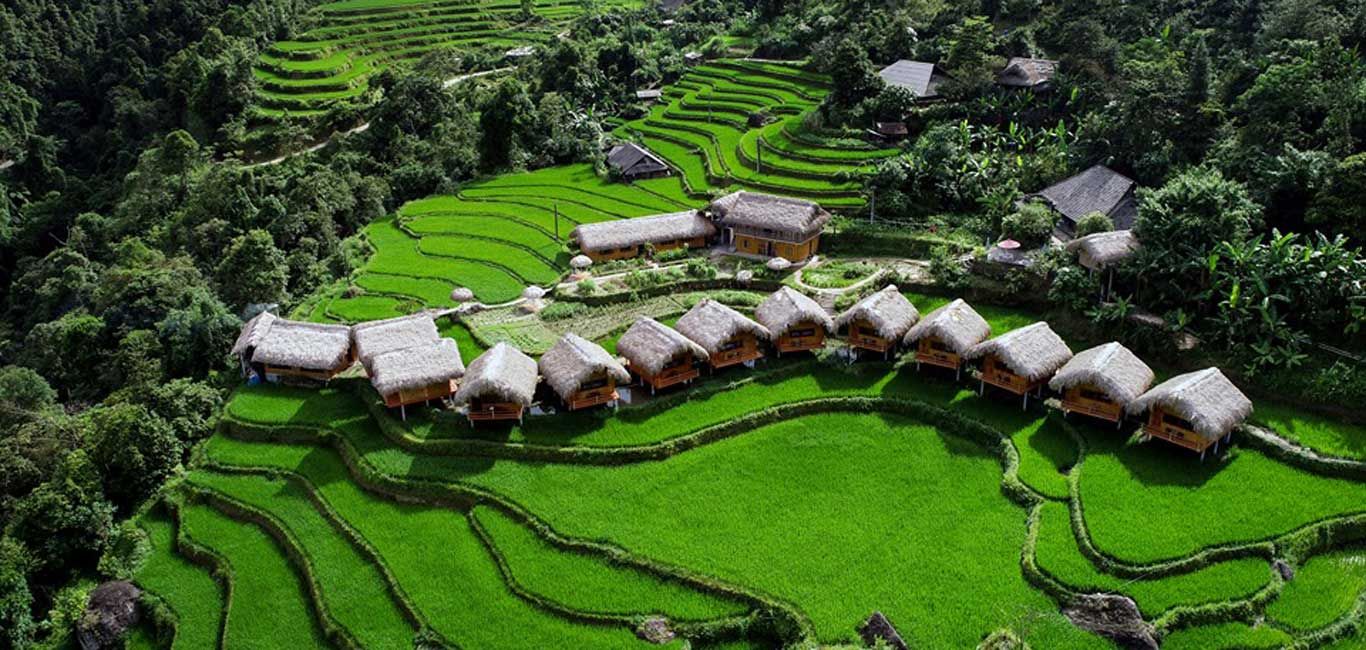
Tucked deep within a mist-shrouded karst valley on the Ha Giang frontier, Lung Tam preserves the ancestral textile traditions of the White H’mong ethnic community. The entire fabric creation process remains fully organic and manual: harvesting wild highland hemp, softening fibers between heavy stone rollers, and weaving on rudimentary foot looms. Artisans draw intricate geometric motifs using melted hot beeswax (batik resist) before immersing the fabric into deep fermented herbal indigo dye vats up to twenty times.
Location: Quan Ba District, Ha Giang (Dong Van Karst Plateau UNESCO Geopark)
Artisan Specialties: Hand-loomed raw linen, botanical indigo dyeing & beeswax batik art
5. Phuoc Kieu Bronze Casting Village (400 Years of Sacred Metalwork)
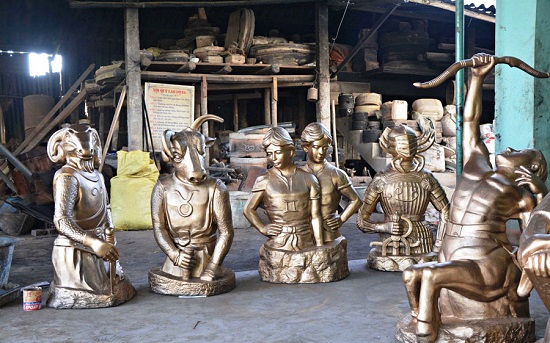
Founded in the 16th century along the historic trade route connecting Da Nang to Hoi An, Phuoc Kieu holds a four-century lineage of metallurgical mastery. Historically forging weapons, royal bells, and ceremonial cauldrons for the Nguyen emperors, Phuoc Kieu is most revered today as the primary craft center tuning sacred ethnic bronze gongs (Cong Chieng) for Central Highland tribal communities. Master metalsmiths test each musical instrument by ear, achieving resonance that echoes across mountain valleys.
Location: Dien Ban Town, Quang Nam Province (approx. 15 km from Hoi An)
Artisan Specialties: Ceremonial temple bells, sacred tuned gongs & antique bronze statues
6. Thanh Ha Pottery Village (500-Year Riverbank Clay Craft)
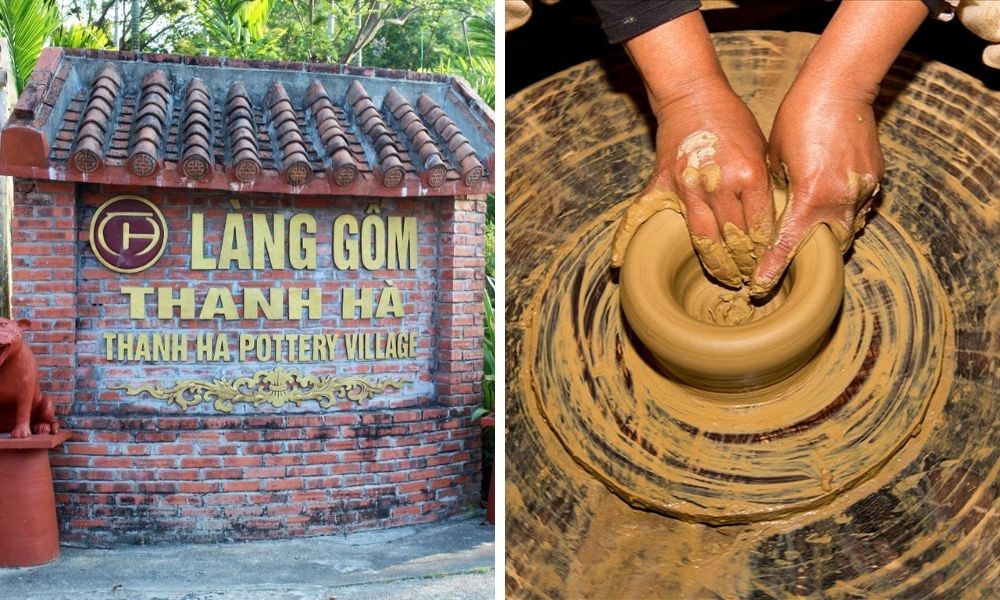
Clustered along the banks of the Thu Bon River just 3 kilometers west of Hoi An Ancient Town, Thanh Ha has practiced unglazed terracotta pottery since the 15th century. Artisans utilize rich alluvial river clay, foot-spinning ancient manual wheels in pairs—one craftsperson rotating the wheel with their feet while the other shapes tea sets, water pots, and clay whistles (to te). The village is also home to the impressive Thanh Ha Terracotta Park, an architectural museum celebrating world monuments sculpted in red clay.
Location: Thanh Ha Ward, Hoi An (easily accessible via bicycle)
Artisan Specialties: Unglazed terracotta, animal whistles (To Te) & clay architectural art
7. Dinh Yen Sedge Mat Village (Mekong Delta Woven Folk Heritage)
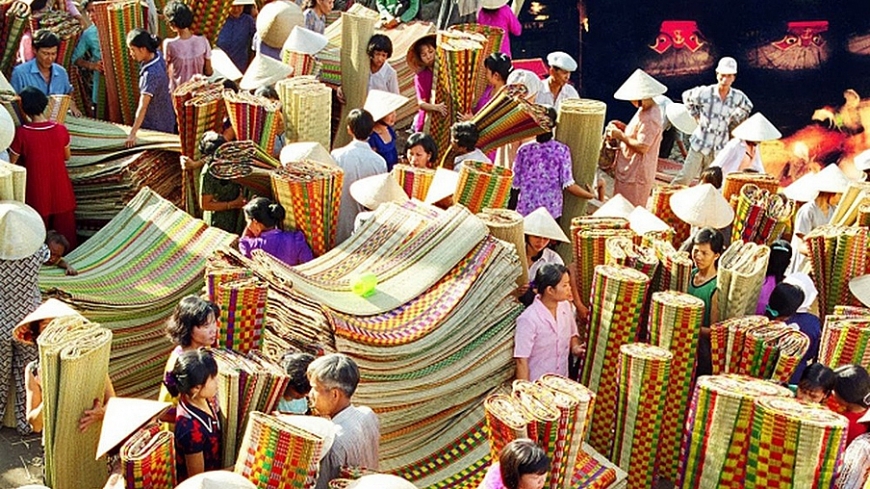
Resting on the fertile plains of Dong Thap in the Mekong Delta, Dinh Yen is famous for its hand-woven patterned sedge mats (Chieu Dinh Yen). Recognized as National Intangible Cultural Heritage, the village’s lanes are draped in drying strands of dyed sedge in radiant greens, yellows, and reds. Historically famous for its nocturnal “Ghost Market” (Cho Chieu Ma) where river merchants bartered mats under kerosene lanterns at midnight, the craft remains an authentic living symbol of southern waterborne folklore.
Location: Lap Vo District, Dong Thap Province (Mekong River region)
Artisan Specialties: Patterned sedge mats, botanical reed dyeing & nocturnal market folklore