Welcome To Hanoi: The Heart of Vietnamese Heritage
With over a thousand years of civilizational history since Emperor Ly Thai To established the capital in 1010, Hanoi is a magnetic synthesis of Southeast Asian tradition, imperial grandeur, and French colonial architecture. Beyond its dynamic motorbikes and bustling cafe culture, the city preserves the Imperial Citadel of Thang Long—a designated UNESCO World Heritage Site—and anchors Northern Vietnam’s rich cultural routes.
Key Landmarks & World Heritage Highlights
1. The Imperial Citadel of Thang Long (UNESCO World Heritage Site)
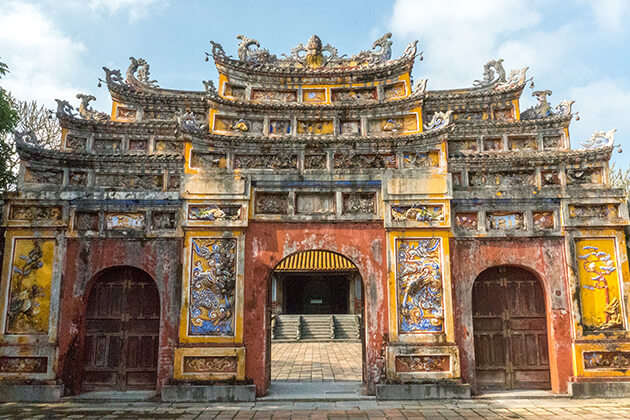
Inscribed by UNESCO on its millennial anniversary in 2010, the Central Sector of the Imperial Citadel of Thang Long is an extraordinary archaeological treasure showcasing uninterrupted political power spanning over 13 centuries. Visitors can explore the monumental Doan Mon South Gate, the ancient stone dragon steps of Kinh Thien Palace, and subterranean military headquarters that played a crucial role in modern history.
2. The Old Quarter & Hoan Kiem Lake (36 Guild Streets)
Dating back to the 15th century, the historic 36 Guild Streets of Hanoi still echo the artisan guilds of past empires—such as Hang Bac (Silver Street), Hang Gai (Silk Street), and Hang Ma (Paper Offerings). Encircling the serene waters of Hoan Kiem Lake and Ngoc Son Temple, the Old Quarter transforms every weekend into a lively pedestrian walking zone packed with street performers and night markets.
3. The Temple of Literature (Van Mieu – Quoc Tu Giam)
Founded in 1070 and home to Vietnam’s first national university, this serene Confucian sanctuary features five courtyards, ancient sage pavilions, and 82 UNESCO Memory of the World stone stelae mounted on tortoises, preserving the names of royal doctoral scholars across several dynasties.
The Culinary Capital: Legendary Hanoi Flavors
Recognized internationally by the Michelin Guide, Hanoi’s street culinary identity is defined by clean, aromatic broths and intricate herb pairings:
- Pho Bo & Pho Ga: Fragrant beef or chicken noodle soups simmered for hours with roasted ginger, star anise, and cinnamon.
- Bun Cha Hanoi: Charcoal-grilled pork patties served in bowls of sweet-sour fish sauce broth alongside fresh vermicelli, herbs, and crispy crab spring rolls (nem cua be).
- Cha Ca La Vong: Turmeric-marinated snakehead fish fillets sizzled tableside with fresh dill, spring onions, and roasted peanuts.
- Hanoi Egg Coffee (Ca Phe Trung): A rich, decadent beverage whipped with creamy egg yolks, condensed milk, and robust Vietnamese Robusta coffee, invented at Cafe Giang in 1946.
Curated Districts & Where to Stay
- Hoan Kiem & Old Quarter: The beating heart of the city, brimming with heritage boutique hotels, colonial art galleries, and lively cafes within walking distance of attractions.
- Ba Dinh (French Quarter & Diplomatic Zone): Wide tree-lined boulevards, embassies, grand villas, and luxury five-star hotels near the Ho Chi Minh Mausoleum and One Pillar Pagoda.
- Tay Ho (West Lake): A tranquil lakeside enclave favored by expatriates, featuring luxury waterfront serviced residences, contemporary fusion dining, and ancient shrines like Tran Quoc Pagoda.
Transportation & Northern Excursion Gateway
Noi Bai International Airport (HAN) sits 30 kilometers north of the city center (approx. 40 minutes by taxi or Express Bus 86). Ride-hailing services like Grab and Be operate seamlessly across the city with cashless card payments.
Gateway to Northern Heritage: Hanoi is the starting hub for exploring:
- Ha Long Bay: 2.5 hours east via modern expressways for overnight luxury cruises.
- Ninh Binh (Trang An Complex): 1.5 hours south for karst sampan excursions.
- Sa Pa & Mount Fansipan: 5–6 hours northwest via scenic overnight sleeper train or luxury limousine coach.