Welcome To Can Tho: The Heart of the Western Capital
Set at the confluence of the majestic Hau River (Bassac River) and intricate canal networks, Can Tho is celebrated historically as Tay Do—the Capital of the West. As the vibrant cultural and economic hub of the Mekong Delta, Can Tho captivates international voyagers with its dawn floating commerce, 19th-century colonial heritage villas, tranquil fruit-laden river islands, and the soulful strains of UNESCO-inscribed Don Ca Tai Tu music.
Riverine Highlights & Cultural Heritage
1. Cai Rang Floating Market (National Intangible Heritage)
Dating back over a century, Cai Rang Floating Market is the quintessential symbol of Mekong riverine trade. Every morning at first light, hundreds of wooden boats assemble on the broad waters of the Can Tho River to barter seasonal agricultural bounty. Merchants advertise their wholesale goods—from watermelons and pomelos to pineapples—by hanging samples from tall bamboo poles (cay beo) at the bow. Gliding among the boats on a small wooden sampan allows visitors to savor piping-hot bowls of noodle soup and iced Vietnamese coffee served directly from floating kitchen boats.
2. Binh Thuy Ancient House (Nha Co Binh Thuy)
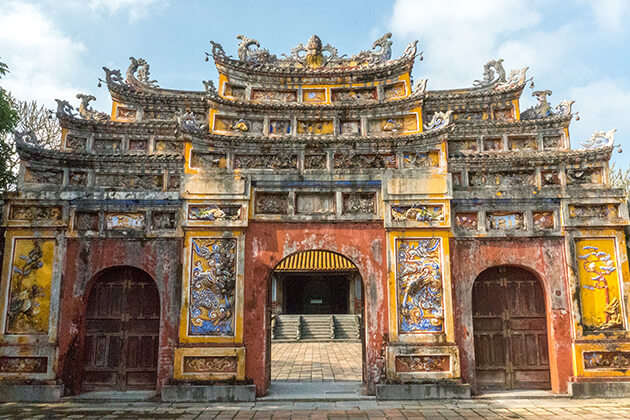
Erected in 1870 by the affluent Duong merchant family, this five-compartment ancestral estate is one of the Mekong Delta’s finest architectural gems. Blending French neoclassical arches, gothic louvered doors, and wrought-iron verandas with traditional Vietnamese geomantic wood carving and antique mother-of-pearl inlays, the house gained global fame as the filming backdrop for Jean-Jacques Annaud’s acclaimed cinematic adaptation of Marguerite Duras’s The Lover (L’Amant).
3. Son Islet (Con Son) & Community Eco-Tourism
A tranquil sandbank islet floating in the Hau River, Con Son offers an immersive community eco-experience. Shaded beneath tropical pomelo, longan, and rambutan orchards, travelers stroll along quiet earthen paths, witness the extraordinary spectacle of local flying snakehead fish (ca loc bay), and join village artisans to hand-craft traditional southern folk rice cakes (banh dan gian).
4. Ninh Kieu Wharf (Ben Ninh Kieu) & Can Tho Pedestrian Bridge
Lining the riverfront at the junction of the Can Tho and Hau rivers, Ninh Kieu Wharf is the lively social soul of the city. As dusk descends, travelers gather along the breezy promenade to board evening dinner cruise junks, explore the night handicraft market, and stroll across the pedestrian footbridge illuminated with artistic lotus-flower LED installations.
Southern Gastronomy: Flavors of the Waterway Realm
Fresh river fish, sweet local produce, and crispy street snacks define Can Tho’s distinctive culinary heritage:
- Banh Cong Can Tho: Golden, deep-fried muffins made from rice and green bean batter, filled with minced pork, wood ear mushrooms, and whole fresh river shrimp, wrapped in aromatic mustard greens and dipped in sweet chili fish sauce.
- Nem Nuong Cai Rang: Charbroiled pork meatballs threaded onto bamboo skewers, served with delicate rice noodle cakes (banh hoi), fresh herbs, green banana, and rich peanut dipping sauce.
- Lau Mam (Fermented Fish Hotpot): A signature regional hotpot brewed from fermented Linh or Sac fish broth, overflowing with snakehead fish, river shrimp, pork belly, and over a dozen fresh water vegetables such as water lily stalks and pumpkin blossoms.
- Pizza Hu Tieu (Crispy Noodle Pizza): Invented at traditional artisanal tapioca noodle workshops, deep-fried nests of noodles are crisped into crunchy flatbreads topped with paté, shredded pork, and an omelet crust.
Where to Stay in Can Tho
- Riverside Five-Star Resorts: Situated along the banks of the Hau River or private river islets, featuring Indochine colonial architecture, lush tropical gardens, and private speedboat transfers to the floating market.
- Ninh Kieu Promenade Hotels: Boutique waterfront stays within easy walking distance of evening dining, cafes, and early morning boat departure docks.
- Tranquil Orchard Eco-Lodges: Nestled along quiet canals in Phong Dien district, offering open-air bamboo bungalows, complimentary bicycles, and organic farm-to-table dining.
How to Get to Can Tho
As the primary crossroads of Southern Vietnam, Can Tho offers convenient travel connections:
- By Highway from Ho Chi Minh City: The modern expressway via Trung Luong and My Thuan connects Ho Chi Minh City to Can Tho in roughly 2.5 to 3 hours via luxury VIP limousine shuttle vans.
- Can Tho International Airport (VCA): Provides frequent daily domestic flights linking directly with Hanoi, Da Nang, and the pristine beaches of Phu Quoc.
- Water & Ferry Connections: High-speed catamarans operate smoothly from Tran De Port (Soc Trang, 1 hour from Can Tho) across to the secluded marine sanctuary of Con Dao Islands.