Welcome To Hoa Binh: The Gateway to the Northwest
Located only 75 kilometers southwest of Hanoi, Hoa Binh serves as the scenic threshold between the Red River Delta and Vietnam’s rugged northern mountain ranges. Celebrated historically as the cradle of the ancient prehistoric Hoabinhian Stone Age culture, the province enchants travelers with the emerald karst islands of Da River Lake, the idyllic patchwork rice fields of Mai Chau Valley, and the rich indigenous folklore of the Muong and White Thai ethnic communities.
Key Landmarks & Cultural Highlights
1. Mai Chau Valley (White Thai Heritage)
Cradled beneath soaring limestone cliffs, Mai Chau is famous for its serene agrarian rhythm. Traditional wooden stilt houses (nha san) in historic villages like Lac Village and Pom Coong welcome travelers into communal home spaces. Visitors can spend quiet days cycling along peaceful village lanes fringed by emerald rice paddies, watching artisans weave delicate brocade fabrics on hand looms, and enjoying evening bamboo pole dances (nhay sap).
2. Da River Lake (Hoa Binh Reservoir – “Ha Long on the Mountain”)
Formed by the monumental Hoa Binh Hydroelectric Dam on the Da River, this vast reservoir spans over 8,000 hectares and shelters dozens of forested limestone islets. Sailing by traditional wooden boat or boutique lake cruisers reveals hidden coves, floating fish farms, and sacred waterside sanctuaries like the Thac Bo Goddess Temple and Thac Bo Cave adorned with ancient mineral stalactites.
3. The Cradle of Muong Culture & Sacred Gong Heritage
Hoa Binh is the historic homeland of the Muong people, one of Vietnam’s major ethnic groups. The Muong ethnic heritage is expressed through epic oral poetry (De Dat De Nuoc), traditional architecture, and the sacred Muong Gong (Cong Chieng) ensemble—a vital branch of Vietnam’s UNESCO-celebrated gong musical heritage played during seasonal festivals, ancestral rites, and community celebrations.
4. Kim Boi Mineral Hot Springs
Surrounded by tranquil forested hills, Kim Boi is famed for its natural geothermal mineral springs emerging at a soothing constant temperature of 34°C–36°C. High in beneficial mineral electrolytes, the waters have made the valley a favored natural wellness destination for thermal mud bathing, hydrotherapy, and holistic rejuvenation.
Highland Gastronomy: Flavors of the Forest
Dining in Hoa Binh reflects authentic ethnic culinary techniques using bamboo tubes, wild mountain herbs, and wood smoke:
- Com Lam (Sticky Rice in Bamboo Tubes): Fragrant glutinous mountain rice packed inside fresh bamboo stems with water and roasted slowly over burning charcoal embers, imparting a gentle smoky sweetness.
- Lon Ban Nuong (Spit-Roasted Free-Range Pork): Native hill-tribe pigs reared naturally on forest plants, marinated with wild mac khen pepper, lemongrass, and forest leaves before being roasted on skewers.
- Ca Song Da Nuong (Grilled Da River Fish): Freshly caught river fish wrapped in banana leaves and grilled over embers with wild herbs and forest seasonings.
- Ruou Can (Communal Tube Wine): Fermented glutinous rice brewed in earthenware ceramic jars with wild medicinal forest leaves, traditionally shared using long, slender bamboo straws during community gatherings.
Where to Stay in Hoa Binh
- Mai Chau Eco-Lodges & Resorts: Tucked among terraced rice paddies, offering open-air bamboo architecture, private wooden balconies, and infinity swimming pools overlooking the valley.
- Da River Lake Hideaways: Secluded boutique waterfront lodges accessible only by boat, perfect for off-grid relaxation, kayaking, and star-gazing.
- Authentic Community Stilt Homestays: Clustered in Lac, Pom Coong, or Muong villages, offering home-cooked family dinners and warm hospitality.
How to Get to Hoa Binh from Hanoi
Hoa Binh is one of the closest highland getaways to the capital:
- To Hoa Binh City & Kim Boi: Located roughly 75 km southwest of Hanoi, reachable in about 1.5 hours via the Thang Long Boulevard and Hoa Lac expressway.
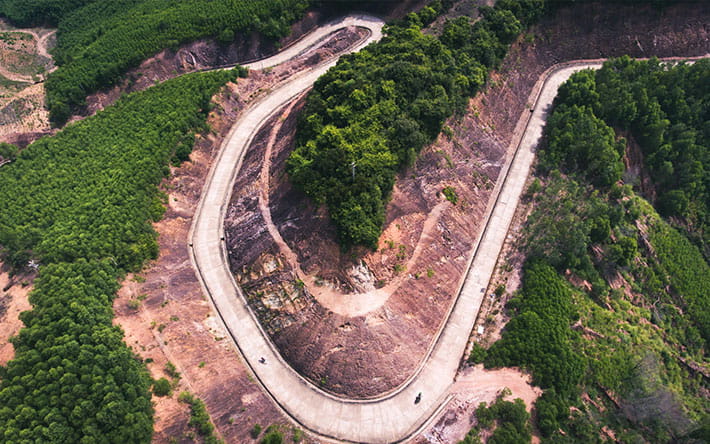
- To Mai Chau Valley: Situated 140 km from Hanoi via Highway 6. Comfortable limousine vans take approximately 3 to 3.5 hours, winding through the spectacular White Stone Pass (Thung Khe Pass) which offers a scenic roadside stop wrapped in cool mountain mist.
- Continuing into the Northwest: From Mai Chau, travelers can continue further into Son La (Moc Chau tea plateaus), Dien Bien Phu, or loop eastward toward the karst waterways of Ninh Binh.