Welcome To Sa Pa: Realm of Clouds and Terraces
Perched at an elevation of 1,600 meters along the formidable Hoang Lien Son mountain range in Northern Vietnam, Sa Pa is a breathtaking highland sanctuary. First established as a French alpine hill station in the early 1900s, this mist-shrouded frontier captivated travelers with its sculpted terraced amphitheaters, rich indigenous cultures of the Black H’mong and Red Dao communities, and the towering silhouette of Mount Fansipan—the highest peak in Indochina.
Mountain Wonders & Cultural Highlights
1. Mount Fansipan (The Roof of Indochina – 3,143m)
Soaring 3,143 meters above sea level, Mount Fansipan is the apex of mainland Southeast Asia. What once required a grueling multi-day jungle expedition is now also accessible via a Guinness-record-breaking three-rope cable car journey departing from Muong Hoa Valley. Gliding through rolling clouds, the ascent brings travelers to monumental mountaintop Buddhist sanctuaries, pagodas, and an observation deck overlooking endless sea-of-clouds vistas.
2. Muong Hoa Valley & Ancient Terraced Rice Fields
Cascading down steep mountainsides like giant natural staircases, the terraced rice paddies of Muong Hoa Valley are centuries-old agricultural masterpieces engineered by generations of ethnic minority farmers. The valley also shelters the enigmatic Ancient Rock Field (Bai Da Co), featuring hundreds of carved prehistoric stones recognized as a National Cultural Monument. Villages like Lao Chai, Ta Van, and Y Linh Ho offer premier trekking routes through bamboo forests and mountain streams.
3. Ta Phin Village & Red Dao Herbal Wellness
Nestled 12 kilometers northeast of town, Ta Phin is home to the Red Dao people, famous for their vibrant embroidered scarlet headscarves and extensive ancestral botanical knowledge. Visitors can participate in traditional hemp weaving and indulge in authentic Red Dao medicinal herbal baths, where wild mountain herbs freshly harvested from the rainforest are boiled in fragrant wooden barrels to soothe tired trekking muscles.
4. O Quy Ho Pass & Silver Waterfall (Thac Bac)
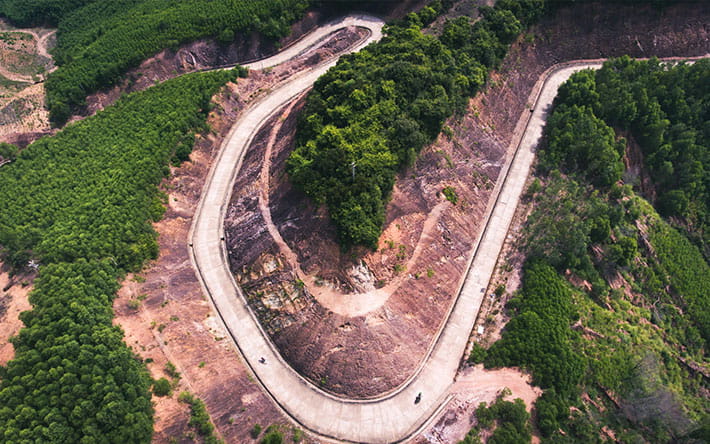
Spanning the border between Lao Cai and Lai Chau, O Quy Ho Pass is the longest of Vietnam’s legendary “Four Great Mountain Passes.” Winding along sheer cliff edges above 2,000 meters altitude, the pass offers sunset vantage points over sweeping mountain canyons. En route, the 200-meter-high Silver Waterfall plunges down forested granite rock faces.
Highland Gastronomy: Flavors of the Mountain Mist
Cool alpine air makes Sa Pa’s rustic barbecue and regional mountain specialties particularly inviting:
- Thang Co: The traditional communal stew of the H’mong people, slow-simmered in large iron woks with horse meat, wild cardamom, star anise, lemongrass, and mountain herbs.
- Cold-Water Sturgeon & Salmon Hotpot (Lau Ca Tam / Ca Hoi): Farmed sustainably in rushing alpine streams at the foot of Fansipan, served with crisp watercress, chayote greens, and spicy-sour broth.
- Ga Den Nuong Mat Ong (Honey-Glazed Black Chicken): Indigenous mountain fowl with black skin and bones, marinated in wild forest honey and grilled over charcoal.
- Com Lam & Street Barbecue: Bamboo-roasted fragrant sticky rice accompanied by skewers of wild mountain pork wrapped in mustard greens, sweet corn, and mushrooms grilled along night market alleys.
- Ruou Tao Meo: A tart, aromatic cider-wine brewed from wild Assam apples gathered across high mountain forests.
Where to Stay in Sa Pa
- Valley Eco-Lodges (Muong Hoa & Ban Ho): Tranquil mountain retreats perched on valley ridges, featuring panoramic infinity pools overlooking terraced rice paddies away from downtown bustle.
- Heritage Town Hotels: French colonial-inspired boutique hotels and luxury resorts surrounding Sa Pa Stone Church and the central lake, within easy reach of restaurants and cafes.
- Authentic Village Homestays: Traditional wooden stilt houses in Ta Van and Ta Phin, offering home-cooked family dinners and genuine cultural exchange.
How to Get to Sa Pa from Hanoi
Situated approximately 320 kilometers northwest of Hanoi, Sa Pa is easily reached via two popular routes:
- Overnight Sleeper Train (The Classic Route): Departs nightly from Hanoi Railway Station to Lao Cai Station (approx. 8 hours). Travelers can book private air-conditioned sleeper cabins on tourist trains (such as Chapa Express or Victoria Express), followed by a 45-minute shared shuttle or taxi up the scenic mountain road to Sa Pa.
- Luxury Limousine & Express Sleeper Buses: Traveling via the modern Noi Bai – Lao Cai Expressway, door-to-door limousine coaches make the trip in approximately 5 to 5.5 hours.
- Connecting Heritage Circuits: From Sa Pa, travelers can venture eastward across the northern highlands toward Bac Ha ethnic Sunday market, Ha Giang’s Dong Van Karst Plateau, or return south to Ninh Binh and Ha Long Bay.