Welcome To Quy Nhon: The Coastal Realm of the Vijaya Kings
Cradled between emerald forested ridges and the azure waters of the East Sea in South Central Vietnam, Quy Nhon is a tranquil coastal sanctuary where untouched nature meets over a thousand years of civilizational history. Once the thriving political center of the Champa Kingdom’s Vijaya realm (11th to 15th centuries), the region preserves the densest concentration of ancient Hindu brick shrines in Indochina alongside dramatic cliffside bays like Eo Gio and Ky Co.
Sacred Champa Architecture & Coastal Highlights
1. The Monumental Champa Towers (Vijaya Dynasty Heritage)
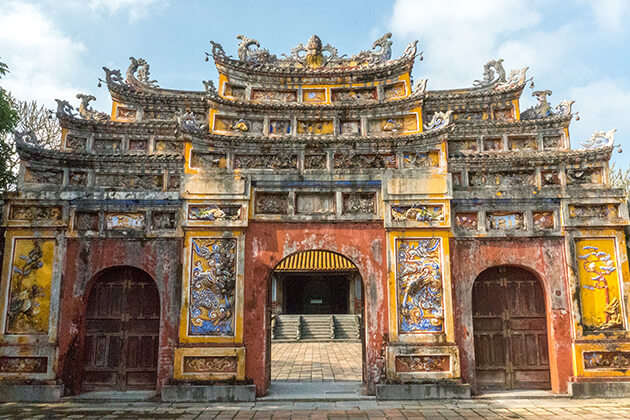
Unlike anywhere else in Vietnam, Binh Dinh province preserves eight clusters of extraordinarily well-preserved Champa sanctuaries engineered without visible mortar:
- Thap Banh It (Silver Towers): Perched on a dramatic hilltop with 360-degree views over rolling river plains, this 11th-century complex comprises four tiered brick sanctuaries featuring carved guardian deities and sacred multi-layered stone pediments.
- Thap Doi (Twin Towers): Situated inside the city center surrounded by coconut palms, these late 12th-century shrines display distinctive Angkor-influenced curvilinear roofs adorned with carved stone Garuda bird figures.
- Thap Duong Long (Ivory Towers): The tallest ancient Hindu brick towers in Southeast Asia (rising over 39 meters), showcasing intricate sandstone relief carvings of dragons, elephants, and lotus petals.
2. Eo Gio & Ky Co Beach (Phuong Mai Peninsula)
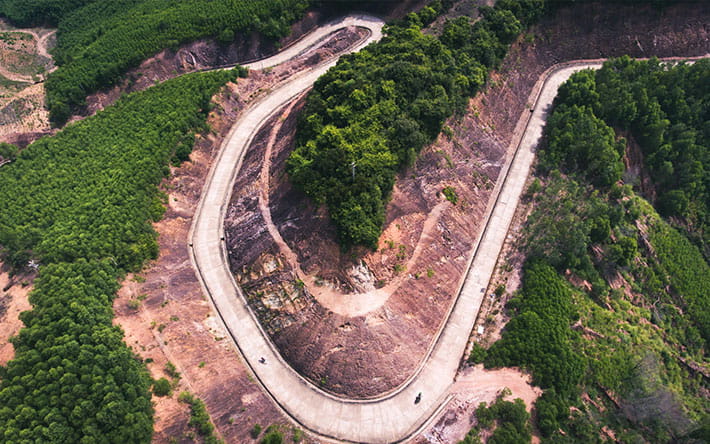
Crossing the monumental Thi Nai sea-spanning bridge brings travelers to the Phuong Mai Peninsula. Eo Gio (“Windy Pass”) is a spectacular coastal escarpment where high-altitude stone walking tracks wrap around dramatic jagged sea cliffs battered by white foaming surf. Just around the headland lies Ky Co Beach, celebrated as the “Maldives of Vietnam” for its crescent cove of soft white sand, calm shallow turquoise waters, and vibrant natural rock pools.
3. Ghenh Rang Tien Sa & The Queen’s Beach (Bai Trung)
Overlooking Quy Nhon Bay, Ghenh Rang Tien Sa is famed for its smooth, egg-shaped coastal boulders (historically reserved as the private seaside bathing retreat of Queen Nam Phuong). The shaded hillside path leads to the memorial pavilion and resting place of celebrated early 20th-century Vietnamese modernist poet Han Mac Tu.
4. Cradle of Traditional Vietnamese Martial Arts (Vo Co Truyen)
Binh Dinh is universally revered as the spiritual birthplace of Vietnamese traditional martial arts, forged during the 18th-century peasant uprising of the Tay Son Brothers. Today, travelers can visit the Quang Trung Museum to watch traditional martial arts demonstrations performed to the thunderous rhythms of 12 royal battle drums.
Coastal Gastronomy: Flavors of Binh Dinh
Quy Nhon cuisine is rustic, fiery, and deeply connected to ancestral coastal recipes:
- Banh Hoi Long Heo: Delicate sheets of steamed woven rice vermicelli topped with scallion oil, served alongside tender poached pork offal, fresh mint, and hot bowls of savory rice porridge.
- Bun Cha Ca Quy Nhon: Signature fish-cake noodle soup brewed from simmered mackerel bones, tomatoes, and pumpkin, served with steamed and crispy fried sail-fish patties and local chili-lime dipping sauce.
- Cha Ram Tom Dat: Miniature crispy spring rolls filled with sweet native brackish-water shrimp and ground pork, rolled into wild greens and dipped in fermented peanut sauce.
- Tre Binh Dinh: Seasoned pork head, ear, and belly fermented with galangal, garlic, and sesame seeds, wrapped artfully inside straw packages resembling miniature broomsticks.
Where to Stay in Quy Nhon
- Luxury Secluded Bay Sanctuaries (Bai Xep & Nhon Hai): Five-star eco-luxury beachfront villas tucked into quiet fishing coves with private plunge pools, sea-facing yoga pavilions, and coastal wellness spas.
- Downtown Quy Nhon Oceanfront Hotels: Lined along the sweeping crescent of Xuan Dieu promenade, offering modern comforts within walking distance of evening seafood street stalls and cafes.
- Boutique Beach Villages (Bai Xep Fisher Village): Charming bohemian guesthouses and relaxed beachfront cabanas nestled directly among working fishing hamlets.
How to Get to Quy Nhon
Quy Nhon is easily accessible by air, road, and the national railway network:
- By Air: Phu Cat Airport (UIH) is located 30 kilometers north of Quy Nhon (approx. 40 minutes by airport bus or taxi), operating regular daily flights connecting from Hanoi and Ho Chi Minh City.
- By Train: The Reunification Express train stops at Dieu Tri Railway Station (10 km from downtown), providing scenic connections from Da Nang (approx. 5 hours) and Nha Trang (approx. 4.5 hours).
- Scenic Coastal Drive: Quy Nhon is a premier stop along the Central Heritage road, connecting easily to Hoi An to the north and the highland waterfalls of Gia Lai to the west.