
Vietnam is home to an extraordinary concentration of civilizational and geological treasures recognized globally for their “Outstanding Universal Value.” Inscribed by the United Nations Educational, Scientific and Cultural Organization (UNESCO), the nation boasts eight official World Heritage Sites—comprising five Cultural sites, two Natural wonders, and one rare Mixed Heritage site. From subterranean river caverns and limestone seascapes to royal citadels and ancient trading ports, here is the definitive guide to exploring Vietnam’s UNESCO World Heritage Sites.
Heritage Traveler Tip: Most cultural sites (citadels, temples, and sanctuaries) are concentrated along the Central Heritage Route, easily linked via scenic coastal trains and domestic airports. Natural sites in the north and north-central regions are best explored by overnight cruise or multi-day guided nature excursions.
1. Complex of Hue Monuments (Inscribed 1993 – Cultural)
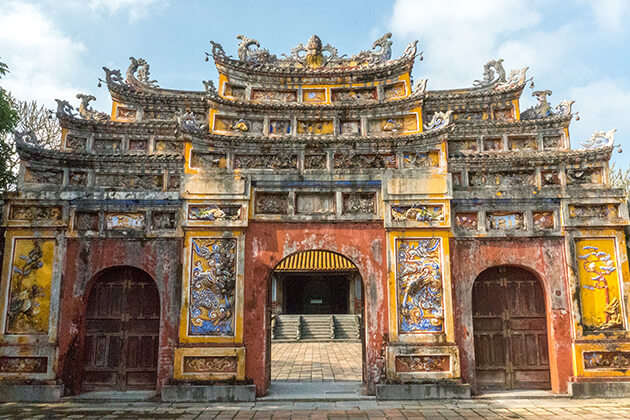
As Vietnam’s inaugural UNESCO World Heritage inscription, the Complex of Hue Monuments served as the political, administrative, and spiritual capital of unified Vietnam under the 13 emperors of the Nguyen Dynasty (1802–1945). Flanking the scenic Perfume River, the site encompasses the monumental walled Citadel, the Forbidden Purple City, and the majestic imperial tombs of monarchs like Tu Duc, Khai Dinh, and Minh Mang scattered among pine-covered hills.
Location: Thua Thien Hue Province (Central Vietnam)
Key Highlights: Ngo Mon Gate, Thai Hoa Palace, Royal Tombs, Thien Mu Pagoda
2. Ha Long Bay – Cat Ba Archipelago (Inscribed 1994 / Extended 2023 – Natural)

Rising like emerald sculptures out of the Gulf of Tonkin, Ha Long Bay is celebrated globally for its mature fengcong and fenglin karst geomorphology. In September 2023, UNESCO officially expanded the property to include the adjacent Cat Ba Archipelago in Hai Phong, forming Vietnam’s first inter-provincial World Natural Heritage site. Together, they safeguard thousands of limestone islets, turquoise lagoons, marine caverns, and the endangered endemic Cat Ba langur.
Location: Quang Ninh Province & Hai Phong City (Northern Coast)
Key Highlights: Sung Sot Cave, Ti Top Island, Lan Ha Bay, Cat Ba National Park
3. Hoi An Ancient Town (Inscribed 1999 – Cultural)
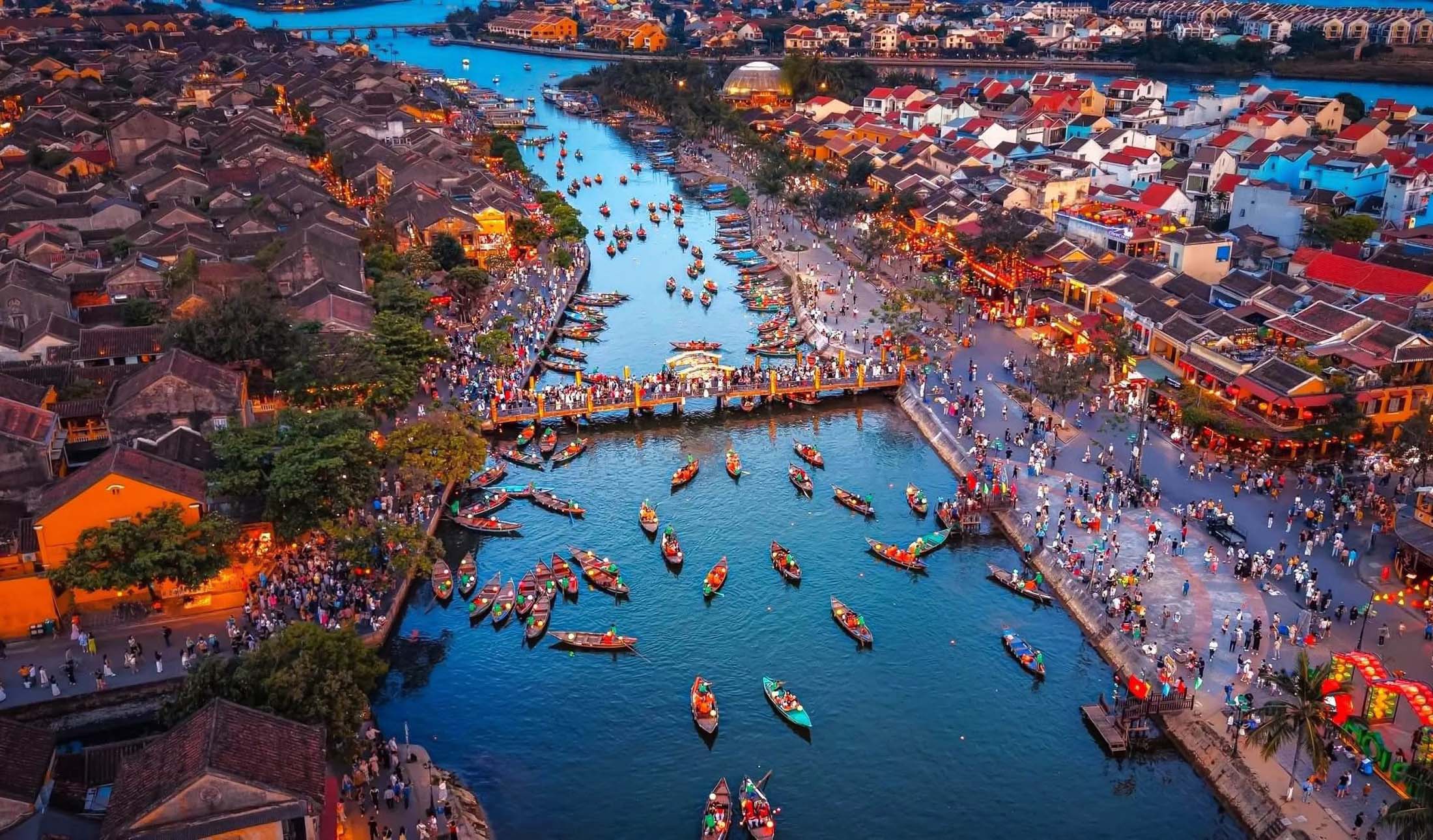
Set along the tranquil Thu Bon River, Hoi An is an exceptionally preserved example of a traditional Southeast Asian maritime trading port dating from the 15th to the 19th century. Its pedestrian-friendly heritage core reflects a harmonious blend of indigenous Vietnamese wooden merchant homes, ornate Chinese clan assembly halls, and the iconic Japanese Covered Bridge. At dusk, the streets glow warmly under thousands of handcrafted silk lanterns.
Location: Quang Nam Province (Central Coast)
Key Highlights: Japanese Covered Bridge, Tan Ky Heritage House, Phuc Kien Assembly Hall
4. My Son Sanctuary (Inscribed 1999 – Cultural)
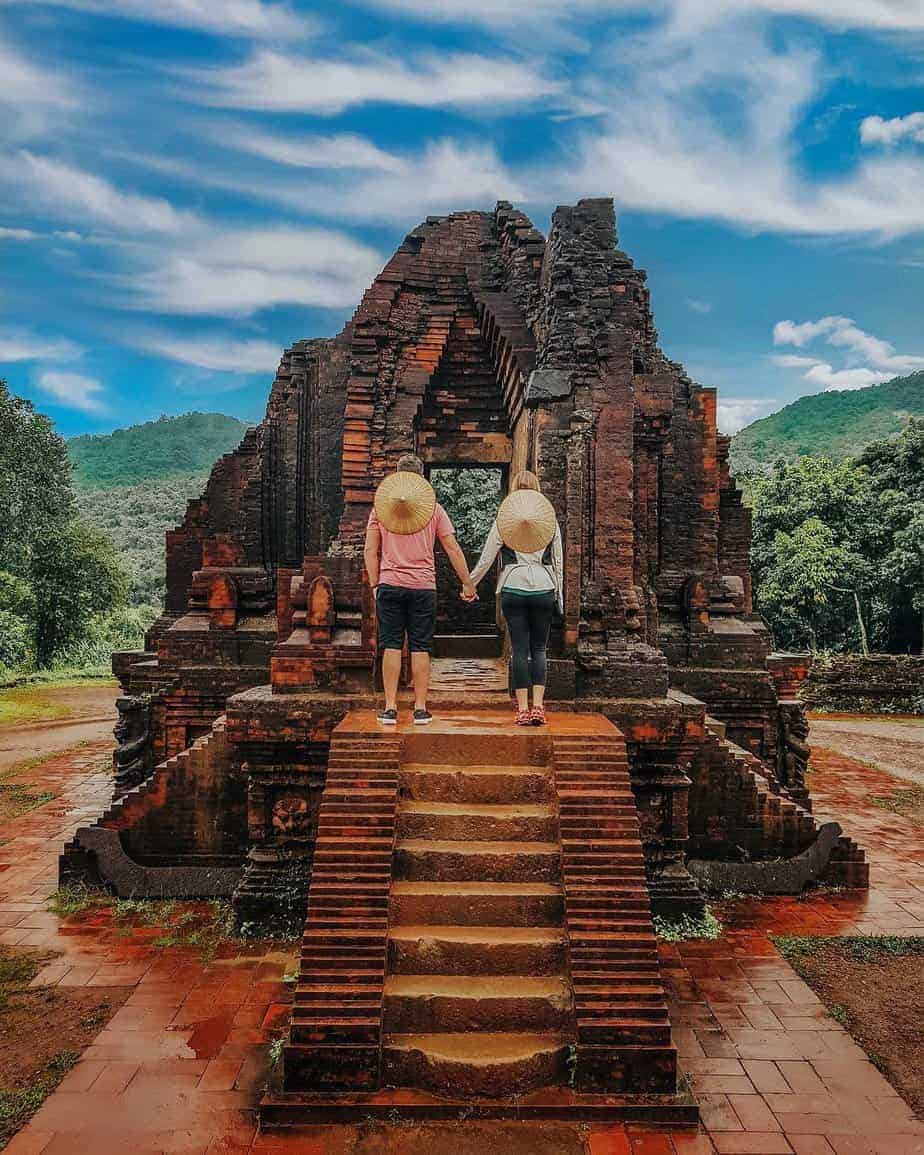
Hidden in a lush mountain valley framed by sacred Mount Mahaparvata, My Son was the spiritual and religious center of the ancient Kingdom of Champa from the 4th to the 13th century. The site preserves more than 70 red-fired brick temple-towers dedicated to Hindu deities, primarily Lord Shiva. Built using ingenious mortar-free interlocking brick techniques, the shrines showcase exquisite sandstone bas-reliefs depicting celestial dancers (Apsara) and sacred Hindu mythology.
Location: Duy Xuyen District, Quang Nam Province (approx. 40 km from Hoi An)
Key Highlights: Group B-C-D brick towers, Shiva Linga sanctuaries, live Champa dance performances
5. Phong Nha – Ke Bang National Park (Inscribed 2003 / 2015 – Natural)
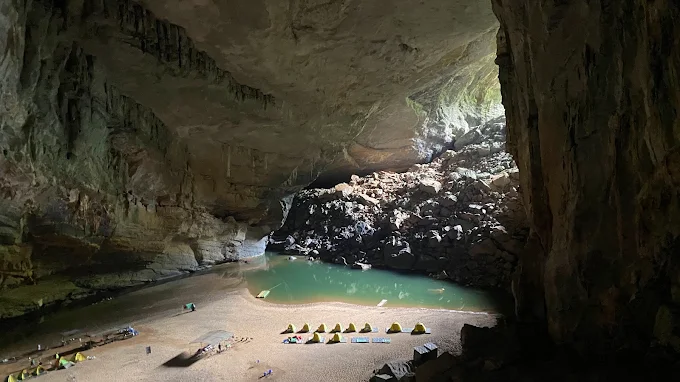
Twice inscribed by UNESCO for geological evolution and outstanding biodiversity, Phong Nha – Ke Bang represents the oldest major karst region in Asia (over 400 million years old). Globally celebrated as the “Kingdom of Caves,” the park harbors Hang Son Doong—the world’s largest natural cave chamber—along with subterranean rivers, virgin tropical rainforests, and cavernous dry grottos like Paradise Cave adorned with towering mineral stalagmites.
Location: Quang Binh Province (North Central Coast)
Key Highlights: Son Doong Cave, Paradise Cave (Dong Thien Duong), Phong Nha Water Cave
6. Imperial Citadel of Thang Long – Hanoi (Inscribed 2010 – Cultural)
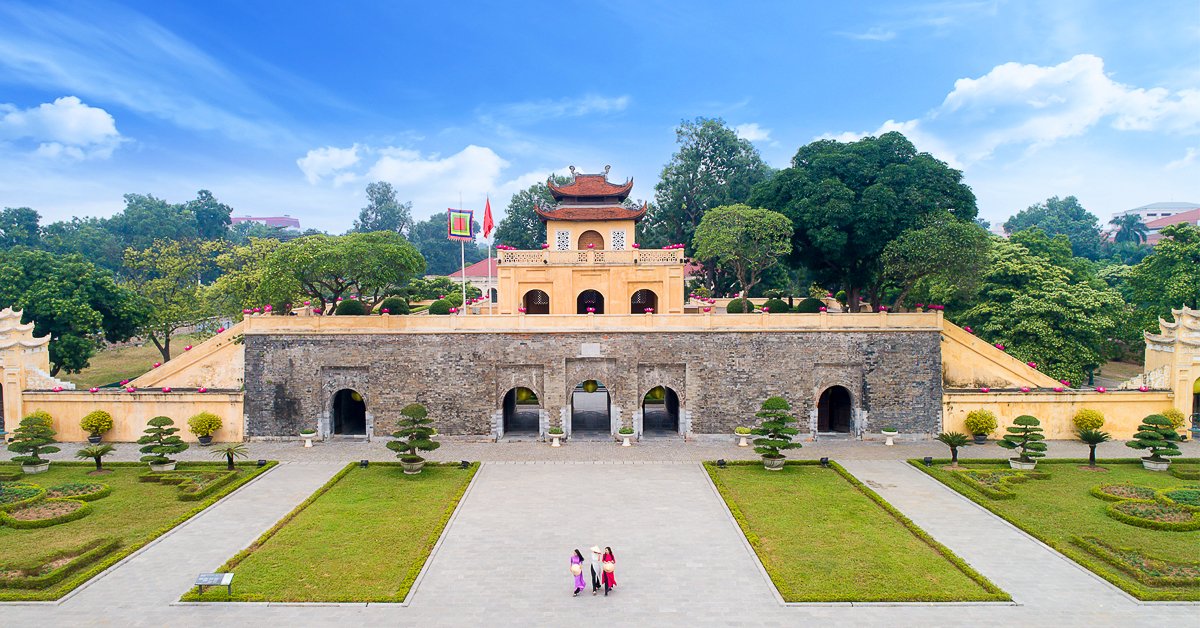
Situated in the heart of Hanoi, the Imperial Citadel of Thang Long represents an unbroken seat of political power spanning over 13 consecutive centuries. Founded in 1010 by Emperor Ly Thai To, archaeological excavations at 18 Hoang Dieu have unearthed superimposed cultural layers from the Dai La, Ly, Tran, and Le dynasties. Major surface monuments include the monumental Doan Mon (South Gate), the carved stone dragon stairs of Kinh Thien Palace, and the iconic Hanoi Flag Tower.
Location: Ba Dinh District, Hanoi
Key Highlights: Doan Mon Gate, Hau Lau Princess Pavilion, D67 Military Bunker
7. Citadel of the Ho Dynasty (Inscribed 2011 – Cultural)
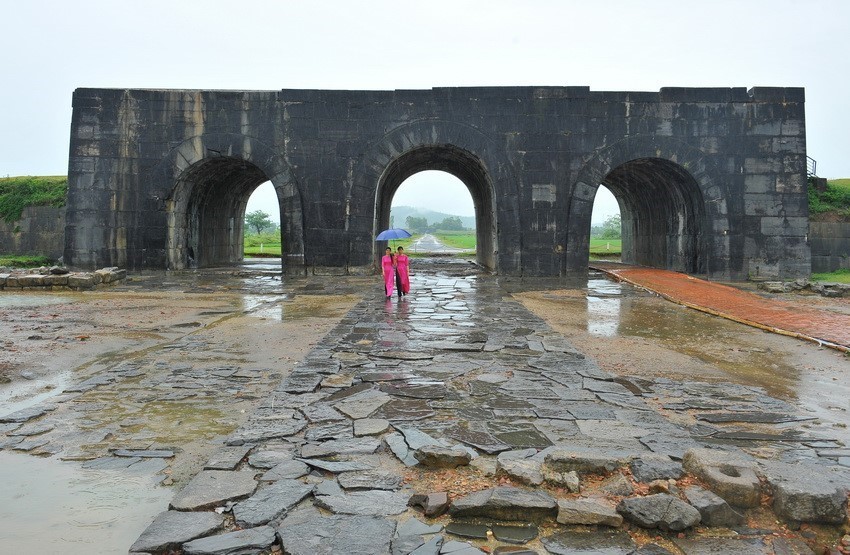
Erected in 1397 under the reign of Ho Quy Ly, this fortress in Thanh Hoa Province is an outstanding achievement of Southeast Asian stone architecture. Engineered according to strict Feng Shui geomantic principles between the Ma and Buoi rivers, the massive ramparts were constructed entirely from giant, chiseled limestone blocks—some weighing up to 20 tons—assembled seamlessly without mortar. Its imposing arched gates remain remarkably intact after more than 600 years.
Location: Vinh Loc District, Thanh Hoa Province (approx. 140 km south of Hanoi)
Key Highlights: South Arched Gate, stone ramparts, ancient stone cannonball exhibits
8. Trang An Landscape Complex (Inscribed 2014 – Mixed Heritage)
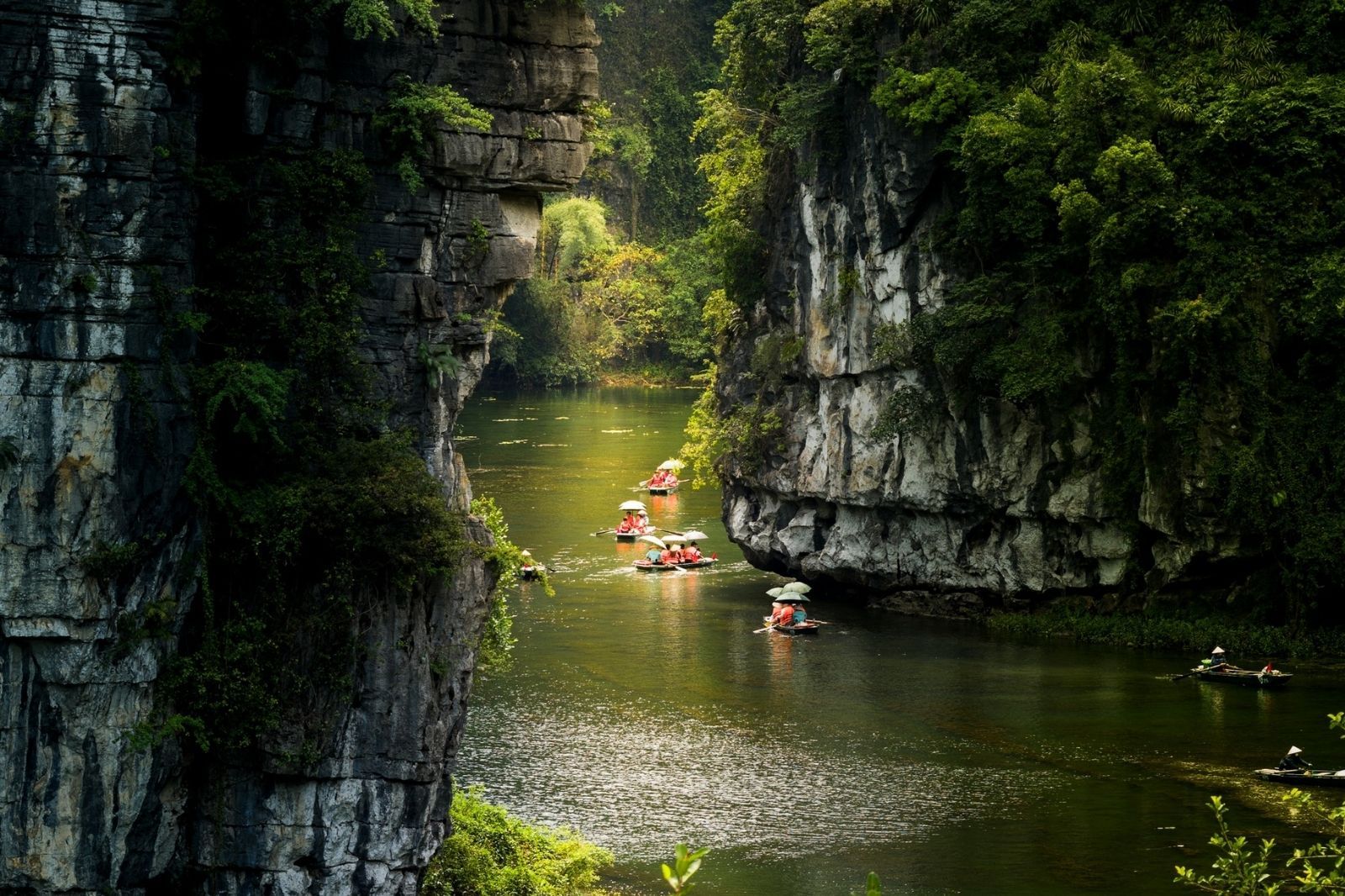
Holding the distinction as Southeast Asia’s first and only dual UNESCO Mixed World Heritage Site, Trang An in Ninh Binh combines breathtaking natural beauty with 30,000 years of prehistoric human occupation. Travelers explore the landscape aboard traditional wooden sampans, navigating through flooded karst caves, quiet river lagoons, and verdant rice paddies flanked by soaring vertical limestone cliffs, which once formed the natural defensive ramparts of ancient Hoa Lu Capital.
Location: Ninh Binh Province (approx. 90 km south of Hanoi)
Key Highlights: Sao Khe River boat route, Tam Coc, Bich Dong Cave Pagoda, Hoa Lu Ancient Citadel