
Stretching across more than 1,650 kilometers from mist-draped alpine peaks to coastal mangroves, Vietnam is one of the world’s most biologically diverse nations. Beyond the energetic bustle of its historic cities lies an extraordinary network of protected sanctuaries. Sheltering ancient karst caverns, primary evergreen rainforests, and critically endangered wildlife found nowhere else on Earth, here are six of the best national parks in Vietnam for eco-adventurers and nature enthusiasts.
1. Cuc Phuong National Park (Vietnam’s Oldest Sanctuary)
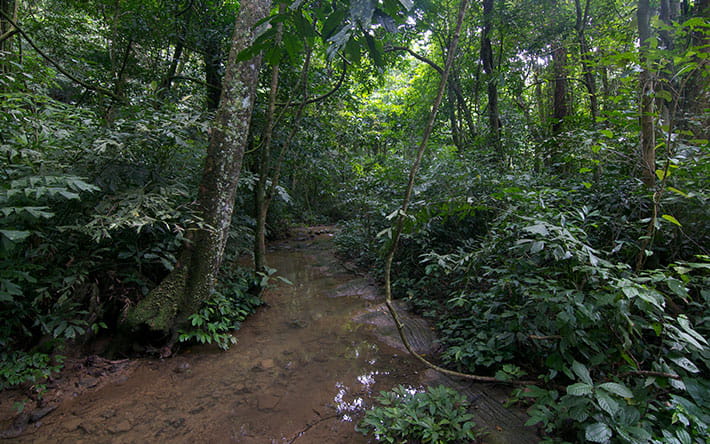
Established in 1962 as Vietnam’s inaugural national park, Cuc Phuong spans over 22,000 hectares across Ninh Binh, Hoa Binh, and Thanh Hoa provinces. Renowned for its ancient karst landscape and thousand-year-old Terminalia trees (Cay Cho Ngan Nam), it is home to world-renowned conservation centers, including the Endangered Primate Rescue Center (EPRC) and Turtle Conservation Centre. In late spring (April to May), millions of white and yellow butterflies emerge, transforming the jungle paths into an ethereal fairytale wonderland.
Location: 120 km south of Hanoi (accessible via Ninh Binh)
Best For: Botanical trails, ancient limestone caves, bird watching & primate rescue education
2. Phong Nha – Ke Bang National Park (UNESCO World Heritage)
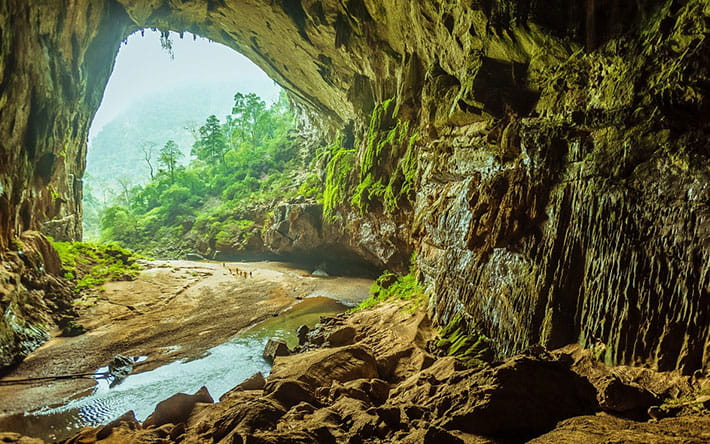
Inscribed twice as a UNESCO Natural World Heritage site, Phong Nha – Ke Bang protects the oldest major karst mountain system in Asia (dating back 400 million years). Celebrated globally as the “Kingdom of Caves,” the park harbors Hang Son Doong—the largest natural cavern on the planet—alongside easily accessible wonders like Paradise Cave (Dong Thien Duong) and Phong Nha’s subterranean river grottoes. Intrepid travelers can embark on jungle river swims, zip-lining over the Chay River, or multi-day caving expeditions.
Location: Quang Binh Province, Central Vietnam
Best For: World-class subterranean exploration, jungle trekking & pristine river kayaking
3. Tam Dao National Park
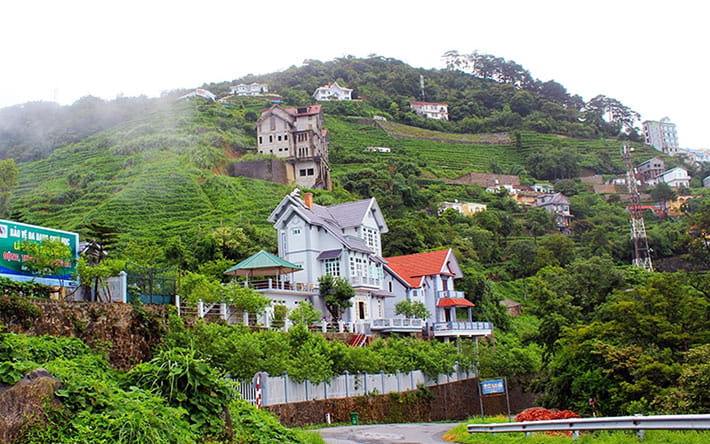
Rising abruptly from the Red River plains just 75 kilometers northwest of Hanoi, Tam Dao National Park encompasses three granite peaks shrouded in perennial mist. The park’s unique high-altitude microclimate famously experiences all four seasons in a single afternoon—crisp spring mornings give way to sunny summer middays, cool autumn breezes, and chilly winter evenings. Dense montane forests shelter over 2,000 plant species, offering scenic summit treks past the Silver Waterfall (Thac Bac) and historic French hill station ruins.
Location: Vinh Phuc, Thai Nguyen & Tuyen Quang provinces (75 km from Hanoi)
Best For: Refreshing mountain microclimates, cloud watching & weekend forest escapes
4. Cat Tien National Park (UNESCO Biosphere & Ramsar Site)
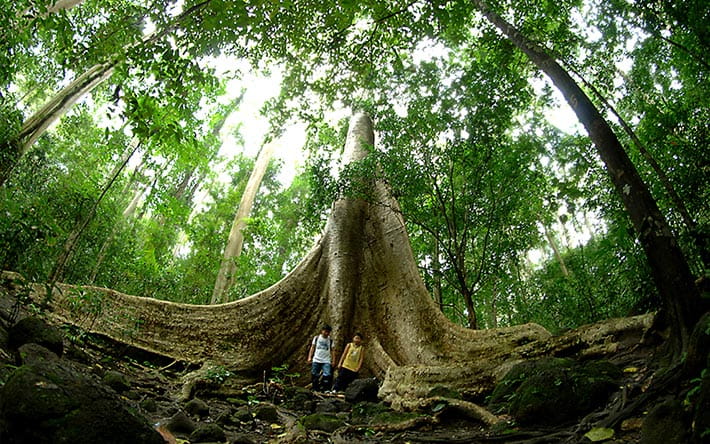
Located roughly 150 kilometers northeast of Ho Chi Minh City, Cat Tien is one of the most critical lowland tropical rainforest reserves in Indochina. Recognized as a UNESCO Biosphere Reserve, the park protects giant ancient Tung trees with towering buttress roots and diverse fauna, including Asian elephants, sun bears, and wild gibbons. A major highlight is Bau Sau (Crocodile Lake)—an internationally recognized Ramsar wetland reachable via jungle trek or mountain bike, where rare Siamese crocodiles thrive in serene waters.
Location: Dong Nai / Lam Dong border (approx. 3.5 hours from Saigon)
Best For: Night safaris, gibbon tracking, mountain biking & wetland crocodile spotting
5. Bach Ma National Park
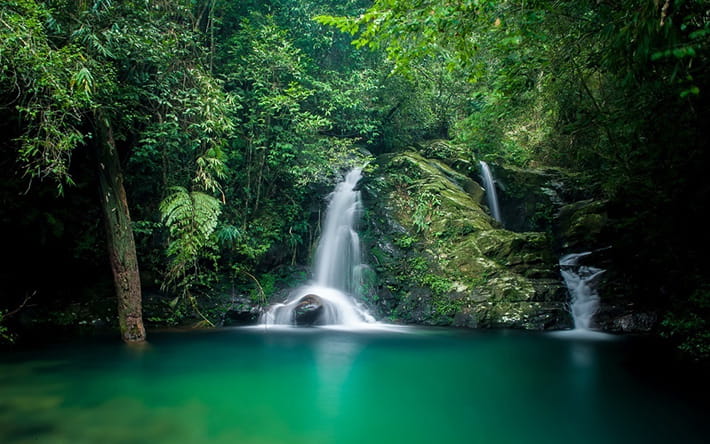
Straddling the bio-geographic transition zone between northern and southern Vietnam just 40 kilometers south of Hue, Bach Ma rises from sea level to 1,450 meters altitude. First developed as a 1930s French mountain sanatorium, it is renowned for lush mossy trails, cascading alpine streams, and the dramatic Five Lakes (Ngu Ho) circuit. The summit of Hai Vong Dai (Sea View Tower) delivers sweeping 360-degree panoramas extending over Lang Co Lagoon, Truoi Lake, and the vast East Sea.
Location: Thua Thien Hue Province (accessible between Hue and Da Nang)
Best For: Mountain ridge vistas, natural plunge pool swimming & botanical hikes
6. Cat Ba National Park (UNESCO World Heritage Island)
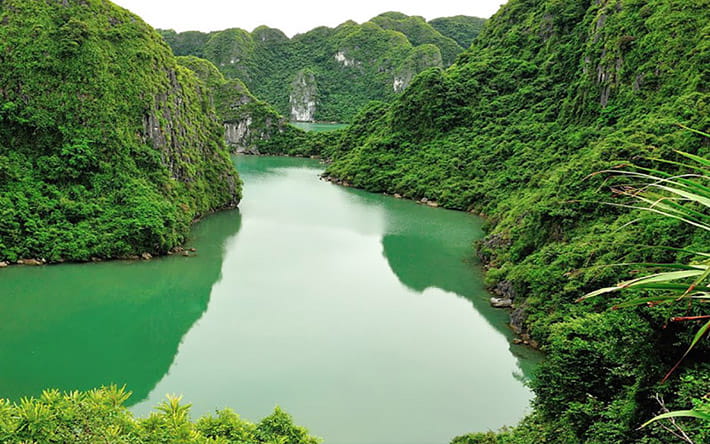
Covering the forested core of the largest island in the Cat Ba Archipelago in Hai Phong, this maritime-terrestrial park forms an integral part of the UNESCO World Natural Heritage site shared with Ha Long Bay. The park provides the sole global refuge for the critically endangered Cat Ba Langur (golden-headed langur). Adventurers can climb through evergreen subtropical valleys to Ngu Lam Peak for panoramic karst vistas or trek across the park to the ancient, secluded farming hamlet of Viet Hai.
Location: Cat Ba Island, Hai Phong (accessible via ferry or sea cable car)
Best For: Island karst trekking, rare langur conservation & secluded bay kayaking